




The return of the straight razor
For several years now, we have been witnessing a return to the art of shaving using the techniques and tools of classic barbers.
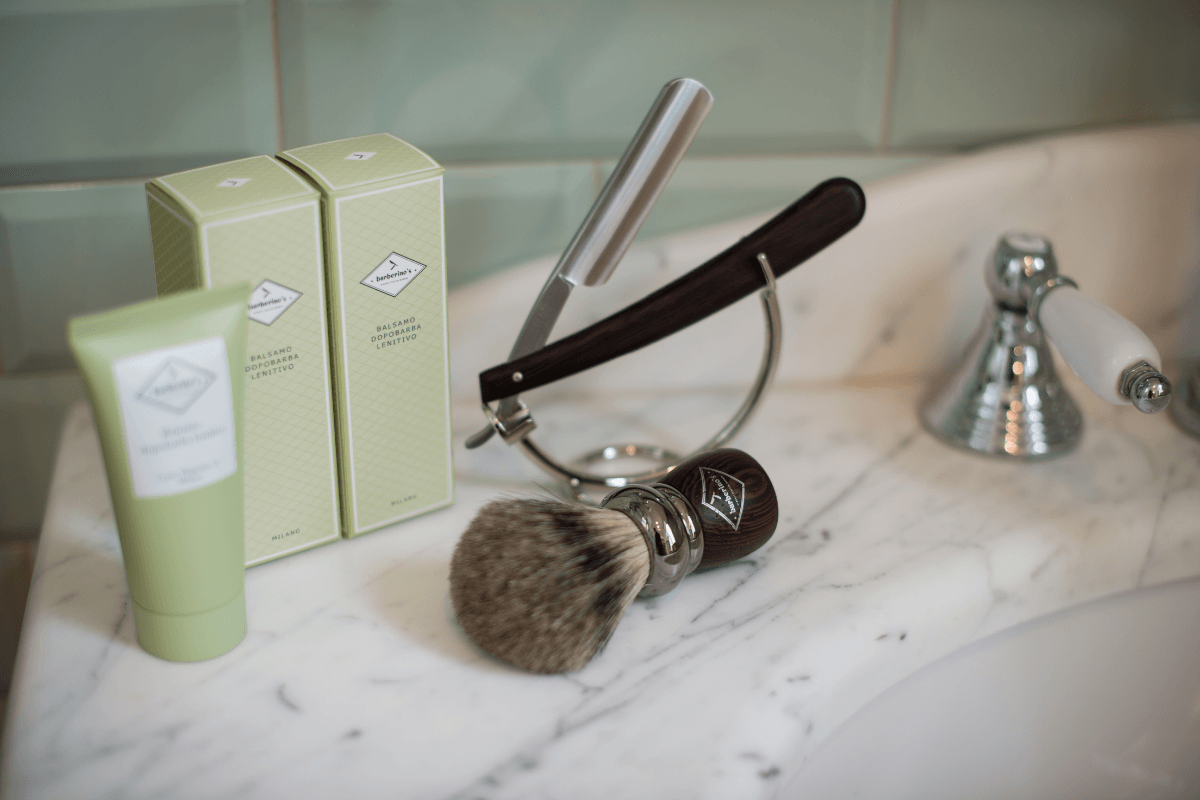
After many years spent in the shadows, traditional shaving soap is finally making its comeback, along with the classic straight razor, cousin to what non-professionals call a “shavette.”
Today we will try to give you some advice on which one to choose and how to use it, certain of one thing: if you have the courage to try it just once, you will never go back, because a first straight razor is like a first love: you never forget it!

What is the difference between a straight razor and a “shavette”?
A traditional straight razor has a blade that must be periodically sharpened using a whetstone and a strop, while the structure of a shavette allows for the insertion of a disposable blade. The latter is therefore used by barbers, who are required by law to use disposable blades. The shavette is cheaper and easier to use and could be a first step for those who want to begin the transition from disposable or electric razors to straight razors.
What are the advantages of choosing a straight razor?
The straight razor guarantees the user greater cutting precision, due to the presence of a single blade. This allows for total visibility of the blade’s edge, enabling a much more accurate and precise cut. It is an eco-friendly accessory; it does not waste plastic or disposable blades that would otherwise have to be thrown in the trash every time. It can shave any type of beard, even the longest, without having to trim it first. It is slow because it allows you to change your lifestyle and return to shaving like they used to, just as our grandparents did: in a more conscious, accurate, and disciplined way.

How to choose a straight razor?
Materials make the difference
A straight razor can last a lifetime, which is why the recommendation is to focus on items built with top-quality materials. Carbon steel (more expensive than stainless steel) ensures a long-lasting and simultaneously lightweight blade. A high-quality handle, in wenge or ebony wood (better quality than plastic handles), guarantees a weight balance that is essential for shaving precision, in addition to making the object aesthetically more pleasing.
The shape of the blade is important
Blades with a rounded tip (usually more common) are recommended for beginners because they are safer. Blades with a square tip, reserved for those familiar with razors, ensure maximum precision because they allow you to reach even the most difficult spots, such as sideburns.
The right measurements
The blade length depends on personal preference, but it is important to consider that the larger the blade, the more the razor loses maneuverability. Blade dimensions are measured in fractions of an inch, from three-eighths of an inch to eight-eighths of an inch. The 5/8 (16 mm) and 6/8 (19 mm) sizes are generally the most used and therefore recommended.
How to use a straight razor?
-
Especially if you are switching from a classic razor to a straight razor, remember not to press on your face while shaving at the beginning, or you risk injuring yourself. The weight of the razor is sufficient to cut the beard. You just need to get used to the new movements.
-
Before shaving, remember to use a pre-shave oil to soften the hair and create a protective layer between the skin and the blade: this will minimize the risk of cuts!
-
The angle to maintain during use is about 30 degrees. There is no need to shave against the grain.
-
After each use, wash the blade to remove soap residue and dry it well with a cloth before putting it away. Do not use a towel, or you risk snagging threads with the blade.
-
The strop, an essential accessory for maintaining the blade's edge, is not enough. Every 4-6 months, however, it is advisable to sharpen the blade with a sharpening stone. This operation should be performed by a professional so as not to risk irreparably damaging the blade.

Read more

Your beauty routine never goes on vacation! Here are some tips on what to pack to take care of your beard and hair while traveling. Summer has arrived, and with it, the urge to go on vacation: neve...
Holidays over and time to get back to work? We’ll help you handle the return with 5 tips for getting back into your routine in the best way possible. Post-holiday stress has now become a real syndr...